Real EstateJuly 1, 2026

The most expensive misunderstanding in furniture retail, in one sentence. Nobody wants a sofa — they want a room. Here's why the entire industry is built around the wrong primitive.
Nobody wants a sofa.
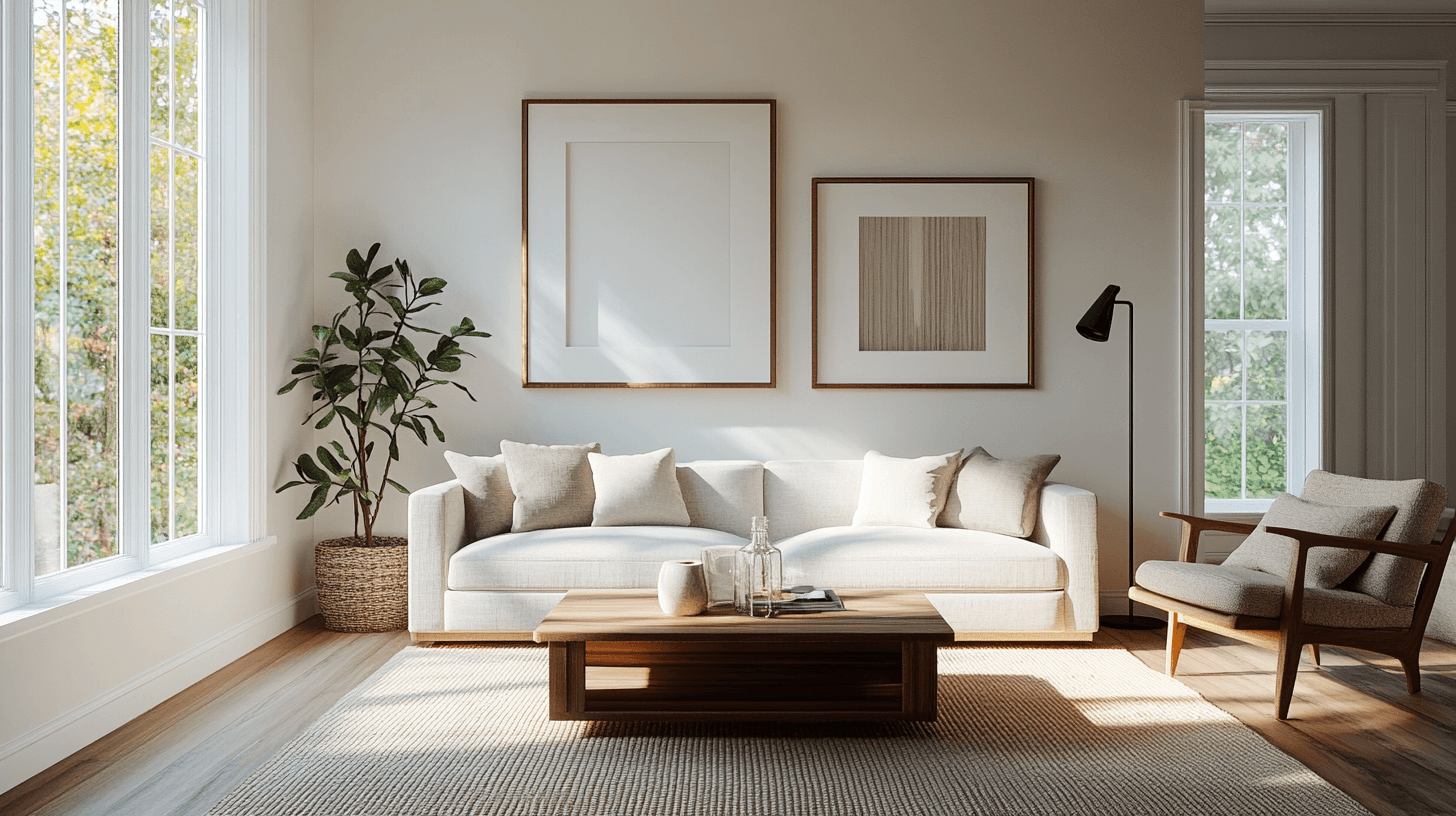
I mean that precisely. No one, in the history of the world, has wanted a sofa as such — an object, abstracted, floating on a white background. What people want is a living room: a place that feels like theirs, where the couch and the rug and the light and the shelves all belong together and belong to them. The sofa is a means. The room is the end.
This sounds obvious. It is also the single misunderstanding around which the entire furniture industry is organized.
Every furniture store — physical or online — is built as a catalog. It organizes the world by product: sofas here, rugs there, lighting in another department, each item photographed alone, priced alone, considered alone. The entire architecture assumes you arrive wanting a thing, and its job is to help you find the best version of that thing.
But that's not how anyone actually thinks about their home. You don't wake up wanting "a sofa." You wake up wanting your living room to feel warm, or finished, or like the version of yourself you're trying to become. The sofa is downstream of that. And the moment you're forced to shop for the sofa in isolation — ripped out of the room that's the actual point — you're doing the retailer's job for them: mentally reassembling, one lonely product at a time, the room you wanted in the first place.
The catalog makes you disassemble your desire into products, shop for each product alone, and then reassemble the room in your imagination. That reassembly is hard, it fails often, and it is the source of nearly every bad furniture decision ever made.
The InversionSo here is the inversion, and it is the whole thing:
The old model is Catalog → Room. You browse products and imagine the room they'd make.
The right model is Room → Catalog. You start with the room — your actual room — and the products arrive inside it, in context, at scale, already belonging.
Flip that arrow and everything changes. Discovery isn't a search through departments; it's watching your own space become what you wanted. Evaluation isn't imagining a lonely object in a void; it's seeing the whole room resolve. The unit of the experience stops being the product and becomes the place — which is what the customer wanted all along.
The Before PictureThe furniture industry spent a century perfecting the catalog. It got very good at the wrong primitive. The catalog was always a workaround for a limitation — that you couldn't show someone the room, so you showed them the parts and made them assemble the whole in their head.
That limitation is gone. And the moment you can start with the room, the catalog stops being the store. It becomes what it always secretly was: a pile of parts, waiting for the room that gives them meaning.
You don't shop for a sofa. You never did. You shop for your living room. Build the store around that, and the last century of furniture retail turns into the before picture.